
Sipping & Playing in Jacksonville – June 2026
AFTER SITTING DOWN with Andrea Breault last month, I realized I learned a lot more than I expected. So much so that it felt like too much for one article. So, we are making this a two-part series.
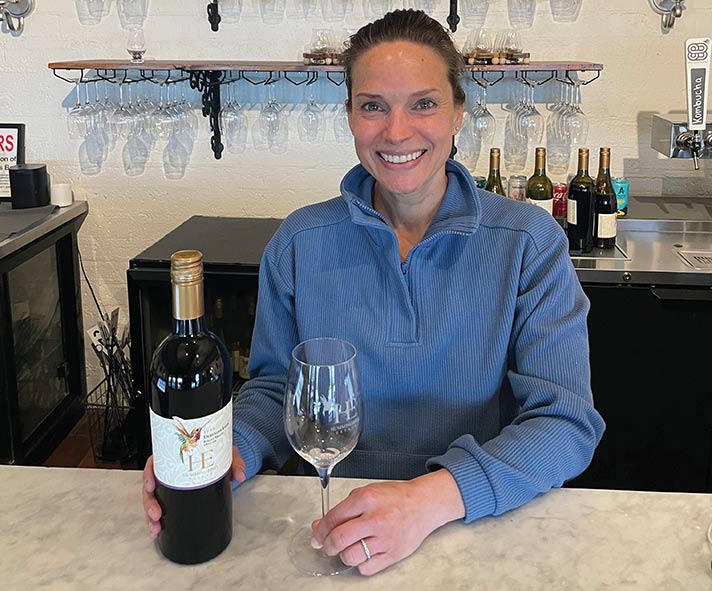
If you missed Part 1, Andrea is my now go-to “wine translator.” During the week she works in transportation consulting, but she has also completed Level III through the Wine and Spirit Educational Trust and now spends weekends working in the tasting room at Hummingbird Estate. In other words, she knows her stuff but explains it in a way that actually makes sense.
Part 1 was all about keeping wine simple and approachable for real life. This month, I wanted to build on that and feel a little more confident navigating wine in the moment.
One thing Andrea shared that immediately stuck with me is how differently wine is labeled depending on where you are. In the U.S., wines are typically labeled by grape, like Chardonnay or Pinot Noir. In Europe, they are labeled by region instead. So, if you find yourself in Europe, you would not ask for a Merlot. You would order by region instead.
That idea of understanding just a little bit more made me realize how helpful it is when you are at a winery. If you have ever looked at a tasting menu and felt unsure where to start, there is usually a structure behind it. Most menus are organized from light to bold. Whites first, then reds, moving from lighter styles into heavier ones.
And from there, it just comes down to asking a few simple questions. Andrea shared that even giving a small amount of direction to the person pouring helps a lot. Let them know if you tend to like lighter wines or if you are in the mood for something bold. Even mentioning the weather or the setting can make a difference. A big, bold red is not always what you want on a warm afternoon, and they can help guide you toward something that fits.
If you are still figuring out what you like, tasting flights are such an easy way to explore. Many local wineries offer them, and it gives you the chance to try a range of styles without committing to a full glass.
She also shared a simple tip I had never really thought about. Holding your glass by the stem matters, especially for white wine, since it helps keep it cool. Reds are a little more forgiving, but it was a helpful reminder that small things can make a difference.
Another thing we talked about was how easy it is to go in with preconceived ideas about certain wines. Riesling was her example, and I had to laugh because I have always said I don’t like Riesling since it is “too sweet.” But that is not always the case. It was a good reminder for me to stay open and try things I might normally skip.
That mindset feels especially relevant here in Southern Oregon. As our region continues to warm, certain grapes are doing well locally. Heading into Spring/Summer, Andrea specifically recommended trying a Viognier. It is light, floral, and just fits this time of year.
And for something we have all probably wondered at some point, I asked how long a bottle lasts once it is open, although it is rare a bottle lasts that long in my house. A couple of days in the fridge is usually fine. Her explanation stuck with me. Wine is always trying to turn into vinegar, so if it starts tasting that way, it is probably time to let it go.
I still would not call myself a wine expert. But I do feel more comfortable walking into a winery, looking at a menu, and trying something new without overthinking it.
And honestly, that’s enough.
Disclaimer: I’m just a wine-loving mom with no formal wine education. Just a mission to find the best places to sip, stay, and savor in Southern Oregon.